About this tour
Animals have been present in art since the very beginning — painted on cave walls, carved into palace friezes, cast in bronze, woven into tapestries, sketched obsessively in artist's notebooks. This tour uses the animal as a thread to move through the entire Louvre collection, from the ancient world to the 19th century, discovering along the way how different cultures, periods, and artists have understood the relationship between human beings and the animal world.
It is one of those tours that consistently surprises visitors who think they know the museum — because it takes them to rooms and objects they would never otherwise have found.
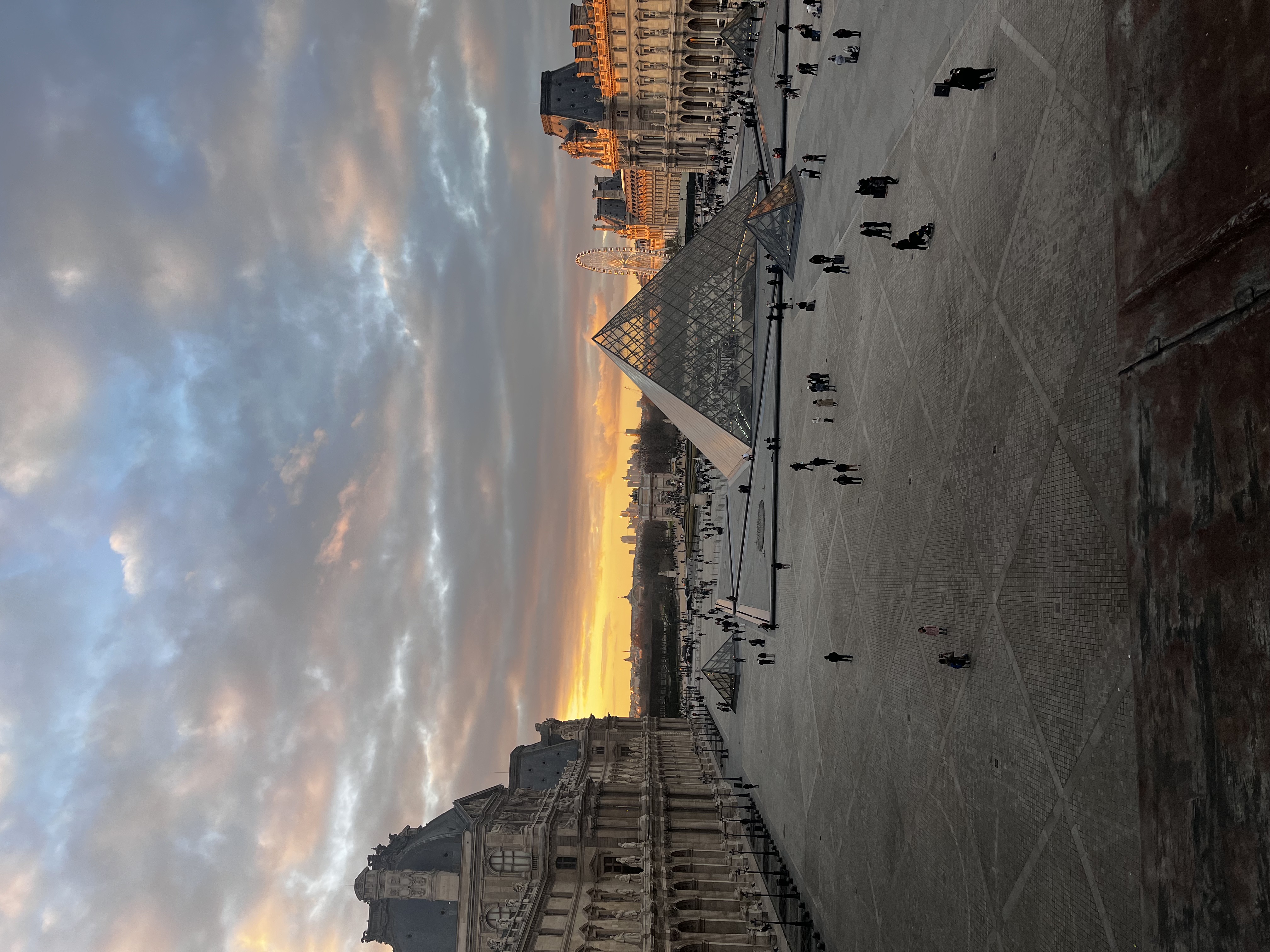
One of the Louvre's many extraordinary animal portraits — an aspect of the collection most visitors never discover
What you will see
The tour crosses the entire museum: the colossal winged bulls of Assyria, Egyptian sacred animals, a Greek marble dog of extraordinary tenderness, Dutch and Flemish still lives where animals play unexpected roles, the equestrian paintings and bronzes of the French tradition, and the passionate animal sculpture of Antoine-Louis Barye.
If there is a particular animal, period, or medium you are most curious about, mention it in your request. While nothing can be promised, every effort will be made.
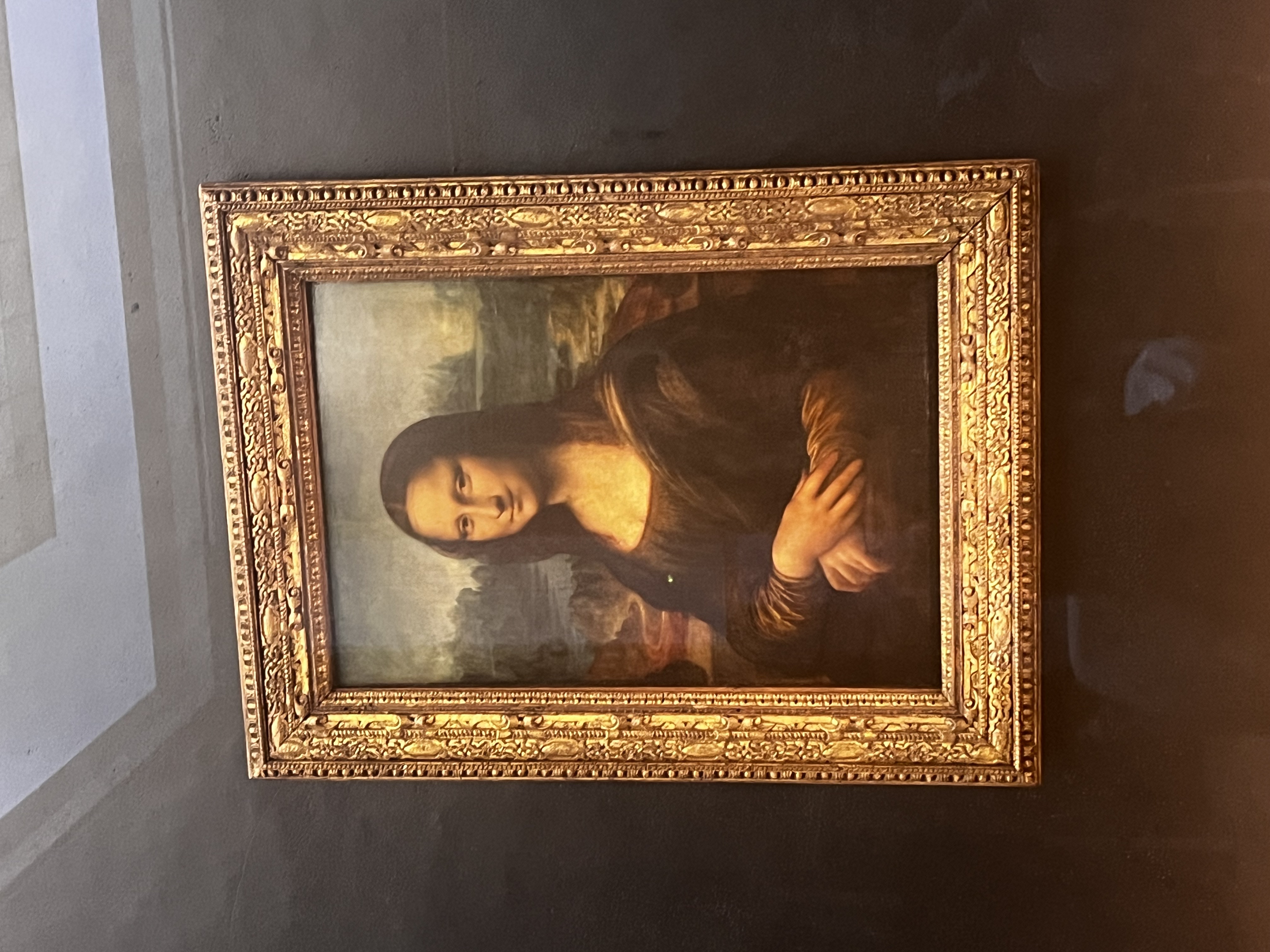
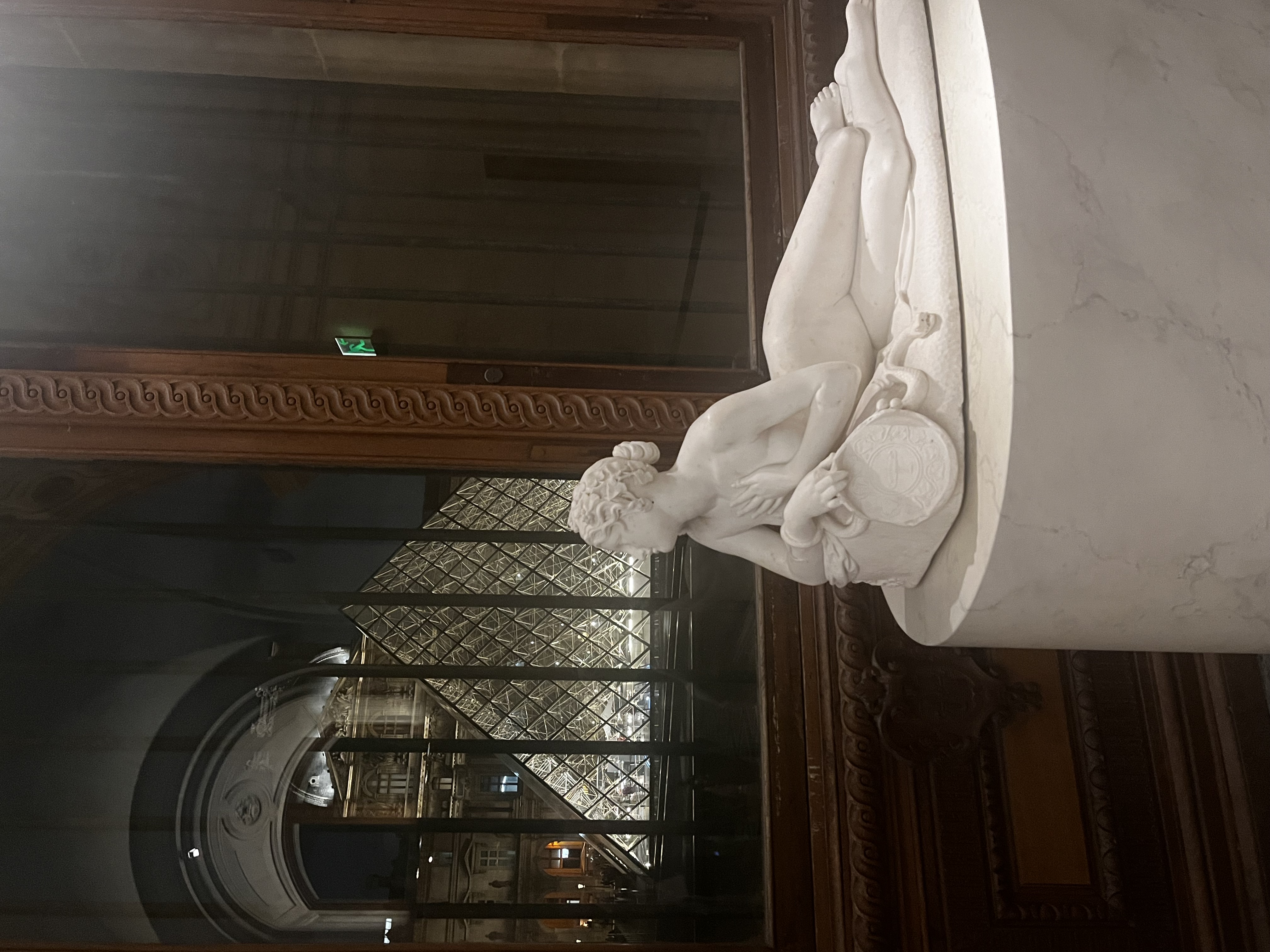
Who is this tour for?
This tour works beautifully for visitors of all ages and backgrounds. It is particularly popular with families with children aged 10 and above, animal lovers, and anyone who wants to experience the Louvre from an unexpected angle. It is also a wonderful option for repeat visitors who feel they have already seen the museum and want to discover something entirely new.
Availability
The Louvre is closed on Tuesdays. All other days are available, subject to your preferred time slot.
Important notice
The Louvre is a living museum. Rooms may occasionally close without notice for operational reasons, and works are regularly moved for restoration, loans, or temporary exhibitions. The three great icons of the collection — the Mona Lisa, the Venus de Milo, and the Winged Victory of Samothrace — are on permanent display and accessible whenever the museum is open. For any other specific work, if it is unavailable on the day, an equally fascinating alternative will always be proposed.