About this tour
Ancient Egypt was, above all, a civilisation obsessed with the question of what happens after death. This tour explores that obsession — and everything that grew from it: the gods, the rituals, the extraordinary art of mummification and burial, and the vision of an afterlife that shaped every aspect of Egyptian society.
The thematic approach allows us to move freely across periods and objects, following the thread of belief rather than the thread of time. The result is a tour that feels remarkably coherent, and that reveals how deeply interconnected every aspect of Egyptian culture truly was.
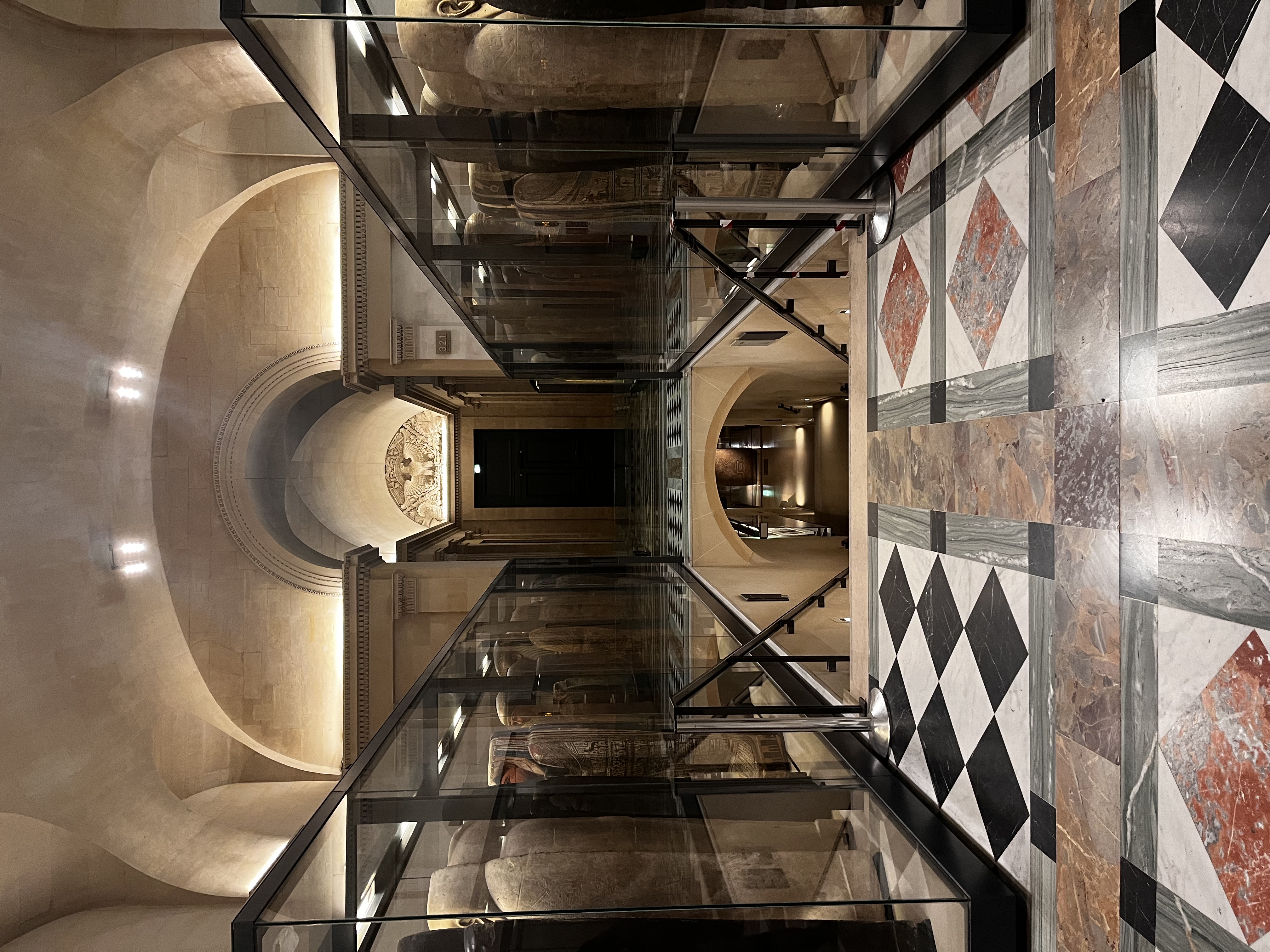
The Egyptian galleries at the Louvre house one of the world's greatest collections outside Cairo
What you will see
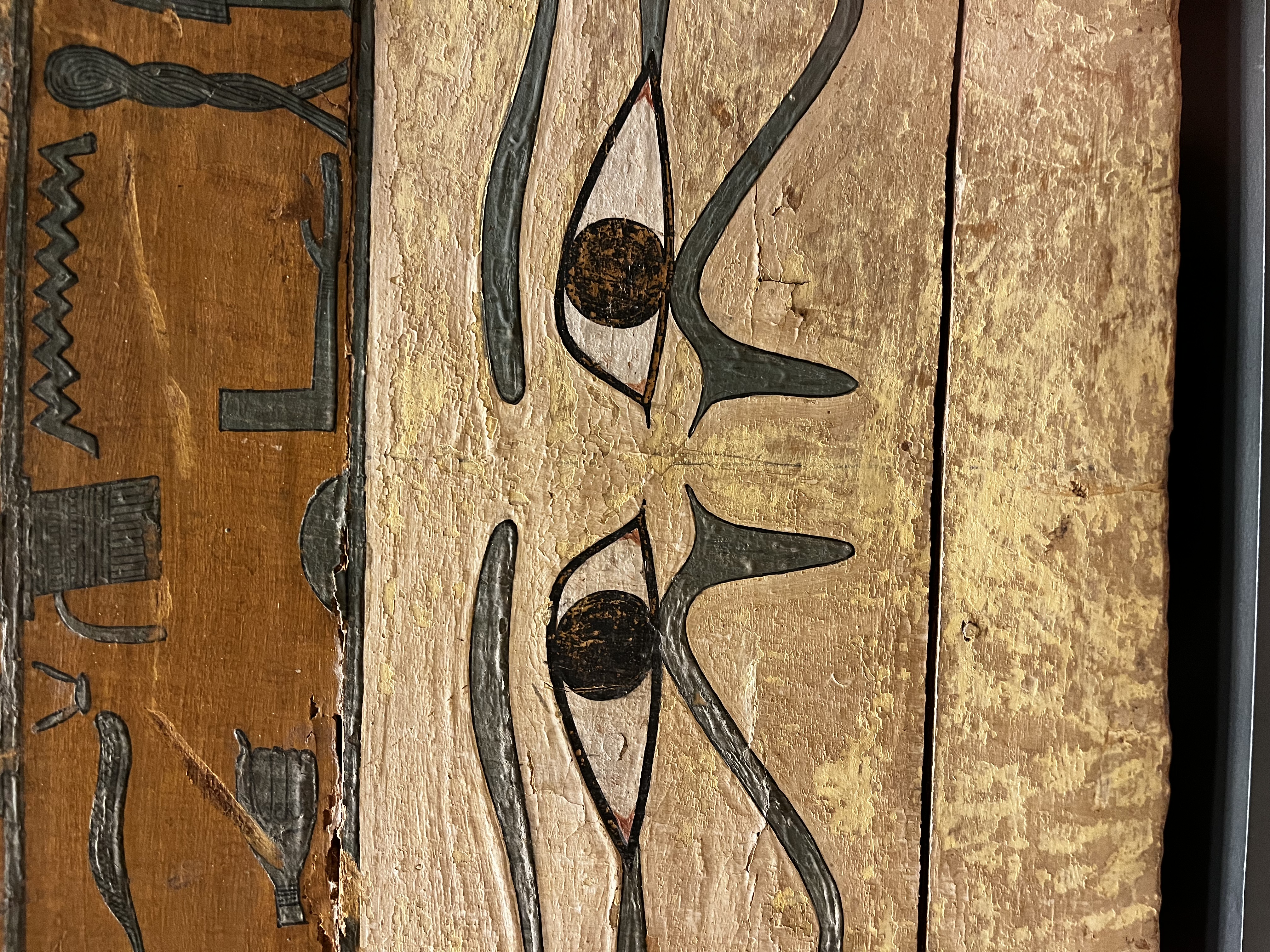
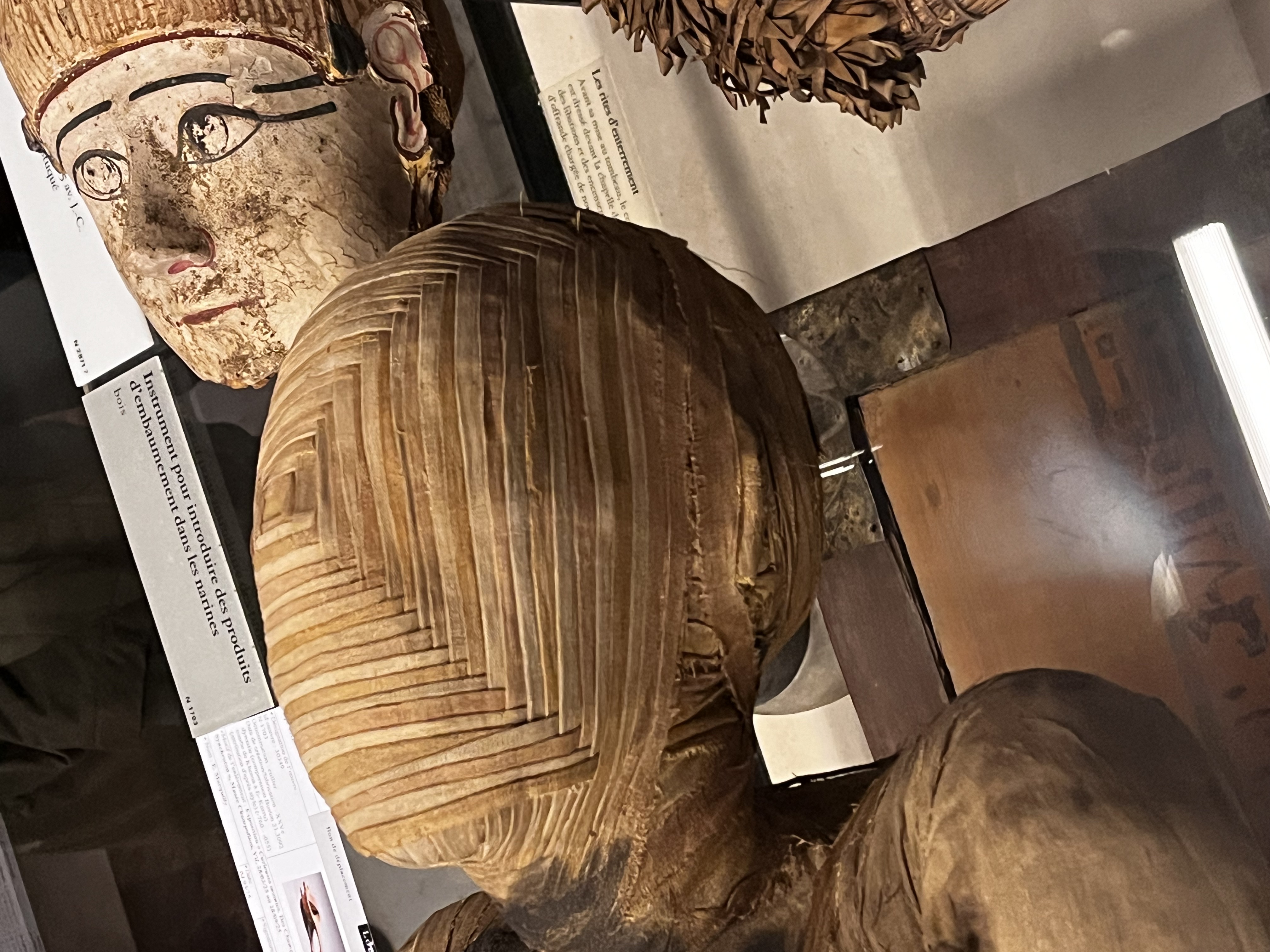
The tour moves through themes rather than centuries: the gods and their stories, the concept of kingship and its divine nature, the rituals of death and mummification, and the vision of the afterlife as encoded in coffins, funerary objects, and the Book of the Dead.
If there is a particular aspect of Egyptian belief or a specific object you are curious about, mention it in your request. While nothing can be promised, every effort will be made.
Who is this tour for?
This tour works beautifully for anyone with an interest in mythology, religion, or the history of ideas. It is also an excellent choice for families with children aged 10 and above — the themes of gods, mummies, and the afterlife tend to capture young imaginations in a way that few other tours can.
Availability
The Louvre is closed on Tuesdays. The Egyptian galleries used for this tour are also closed on Fridays.
Important notice
The Louvre is a living museum. Rooms may occasionally close without notice for operational reasons, and works are regularly moved for restoration, loans, or temporary exhibitions. The three great icons of the collection — the Mona Lisa, the Venus de Milo, and the Winged Victory of Samothrace — are on permanent display and accessible whenever the museum is open. For any other specific work, if it is unavailable on the day, an equally fascinating alternative will always be proposed.